Healthy teeth – prevention and treatment
Healthy teeth allow you to chew well, speak clearly and smile freely. Inflammation in the mouth can also place a strain on the rest of the body. That is why your dental health is always our first priority.
At our practice on Gärtnerplatz, we believe prevention is better than cure. And when treatment is needed, we preserve as much of your own tooth as we can.
Prevention: spotting problems before they hurt
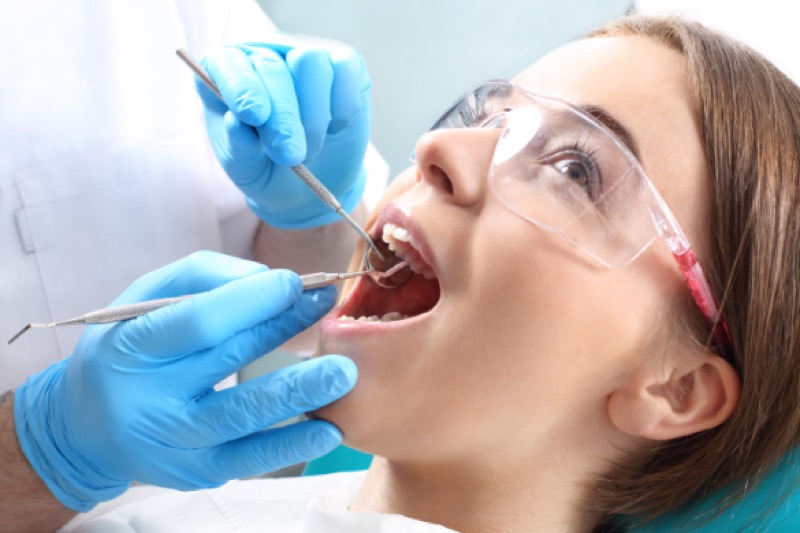
Tooth decay and gum inflammation often cause no symptoms at first. Regular check-ups allow us to pick them up early, when treatment is usually smaller, gentler and less expensive.
We recommend a check-up at least once a year, and we will discuss with you how often makes sense in your case. Do ask us to record your visits in your bonus booklet (Bonusheft): regular preventive care can increase the subsidy your health insurer pays towards crowns, bridges or dentures later on.
Professional teeth cleaning
Even if you look after your teeth carefully, there are always a few places a toothbrush cannot reach, and deposits build up there. At a professional teeth cleaning (a thorough hygiene appointment), we remove hard and soft deposits, clean the spaces between your teeth and polish the tooth surfaces. You can read more under Teeth cleaning.
Tips for daily dental care
- Brush twice a day, for about two minutes each time, with a fluoride toothpaste.
- Clean between your teeth with dental floss or small interdental brushes. This is where tooth decay and gum inflammation most often begin.
- Keep sugar to a moderate amount and, if you can, avoid having it little and often throughout the day – and that includes drinks.
- Look out for warning signs: if you notice bleeding gums, sensitive teeth or bad breath, please let us have a look.
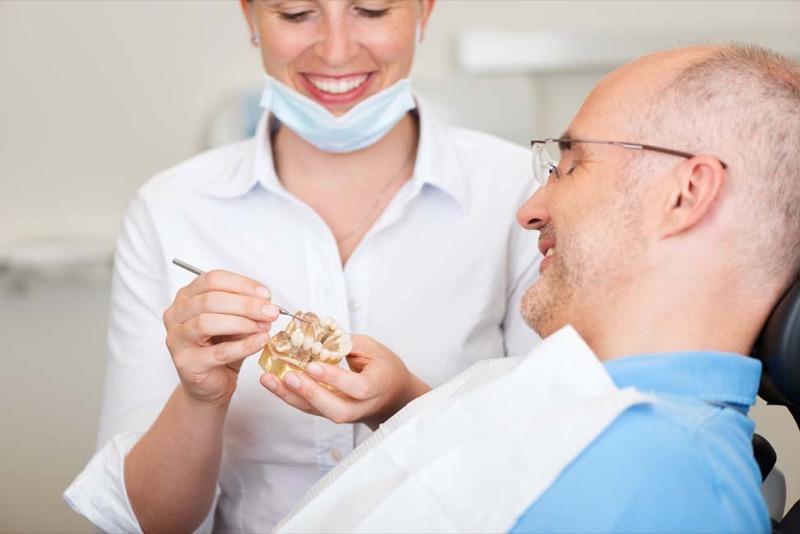
At your next visit, we would be happy to show you which aids suit your teeth best.
When treatment is needed
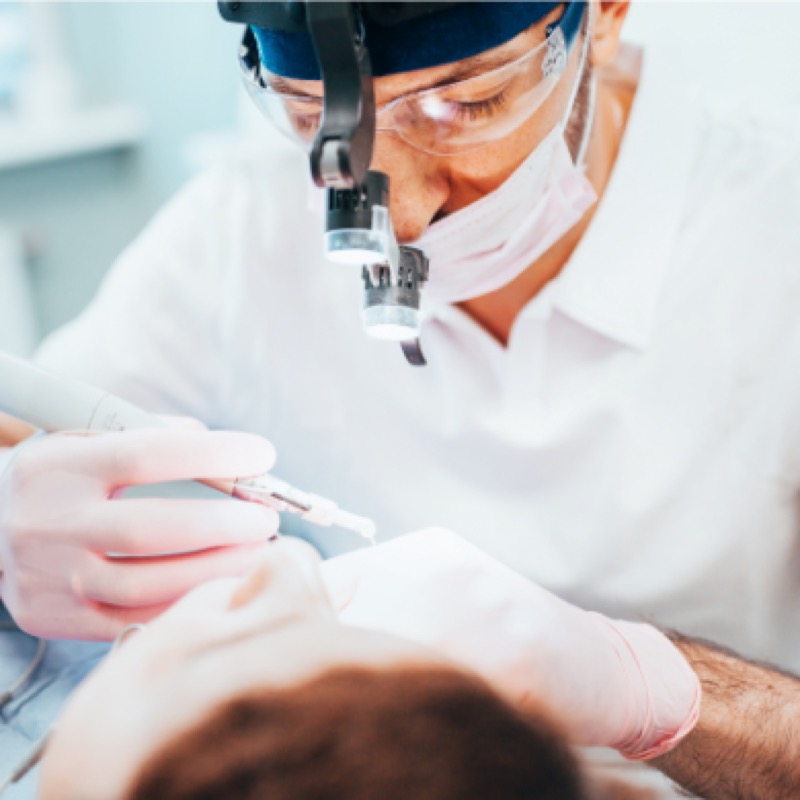
If a tooth needs treatment, we treat it as gently as possible, with the aim of keeping it for many years to come:
- Gum disease (periodontitis): left untreated, inflammation of the tissues that support the teeth can lead to tooth loss. You can read more under Periodontitis.
- Inlays: precisely fitting inlays for larger areas of damage. You can read more under Inlays.
- Root canal treatment: saves teeth with an inflamed nerve. You can read more under Root canal treatment.
- Crowns, bridges and dentures: for teeth that are badly damaged or missing. You can read more under Dental prosthetics.
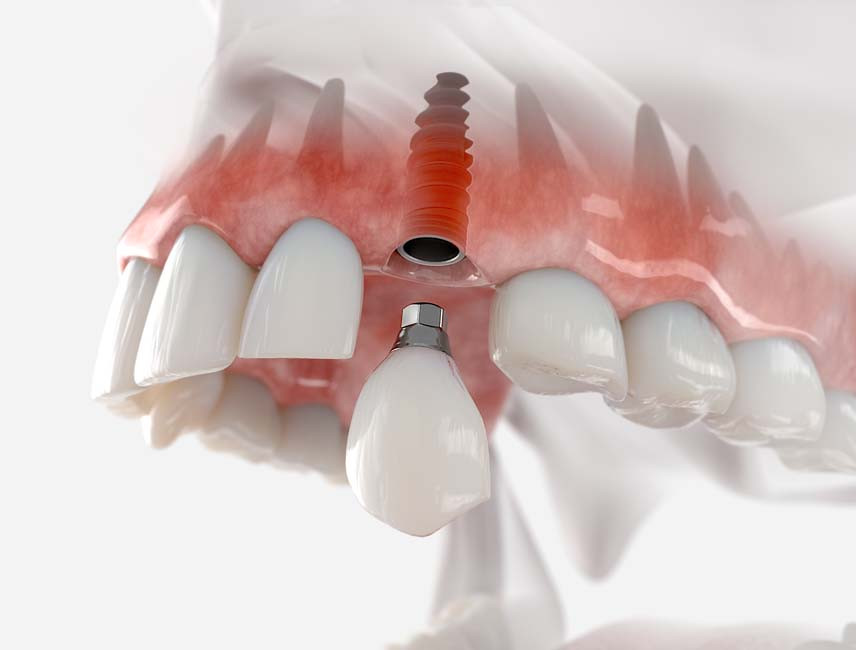
- Implants: artificial tooth roots that provide a firm foundation for new teeth. You can read more under Dental implants.
Frequently asked questions about dental health
How often should I come for a check-up?
For most adults, we recommend at least one check-up a year. If you are at greater risk of tooth decay or gum disease, more frequent visits may be sensible. We will agree with you on the schedule that suits you best.
How often should I have my teeth professionally cleaned?
That depends on the health of your mouth and on how you care for your teeth at home. For many people, one or two appointments a year are sensible; with gum disease (periodontitis), more are often advisable.
My gums bleed when I brush – should I be concerned?
Bleeding gums are usually a sign of inflammation. Please do not stop brushing; instead, let us look into the cause. Caught early, gum inflammation responds well to treatment.
Electric or manual toothbrush?
Both clean your teeth well, provided your technique is right. Many people find it easier to clean thoroughly with an electric toothbrush. We would be happy to show you what to look out for.
Book a check-up