Orthodontics for children – gentle care at Gärtnerplatz
A child's jaws and teeth are still developing, and this natural growth gives us a valuable opportunity to correct misalignments early and gently. That is why orthodontic treatment often begins at a young age with a removable brace.
At our practice at Gärtnerplatz, between Isarvorstadt and the Glockenbachviertel, we treat children with as much care and patience as possible. We involve you as parents from the very start and explain each step clearly.
When should my child have a first check?
A first orthodontic check is often worthwhile at primary-school age, when the first permanent teeth come through. In some cases, it may be sensible to come in a little earlier. Signs worth looking out for include:
- The teeth are very crowded, rotated or overlapping.
- The upper front teeth sit noticeably ahead of the lower ones – or the lower ones ahead of the upper ones.
- In one area, the teeth do not meet when your child bites together.
- Some upper teeth bite behind the lower teeth.
- Your child breathes mainly through the mouth, or is still sucking their thumb at an older age.
Not every irregularity needs treating straight away. At the examination, we will establish whether treatment makes sense, and if so, when.
Removable braces
A removable brace is made of plastic and fine wire and is made individually for each child. Depending on the misalignment, separate braces may be made for the upper and lower jaw. Using gentle pressure, the brace can, for example, widen the jaw, guide its growth and make room for the permanent teeth.
For the brace to work, your child should wear it for around 14 hours a day during treatment. It comes out for meals and for sport. We will decide individually how long the brace needs to be worn overall and how often it should be adjusted.
Fixed braces and aligners for older children and teenagers
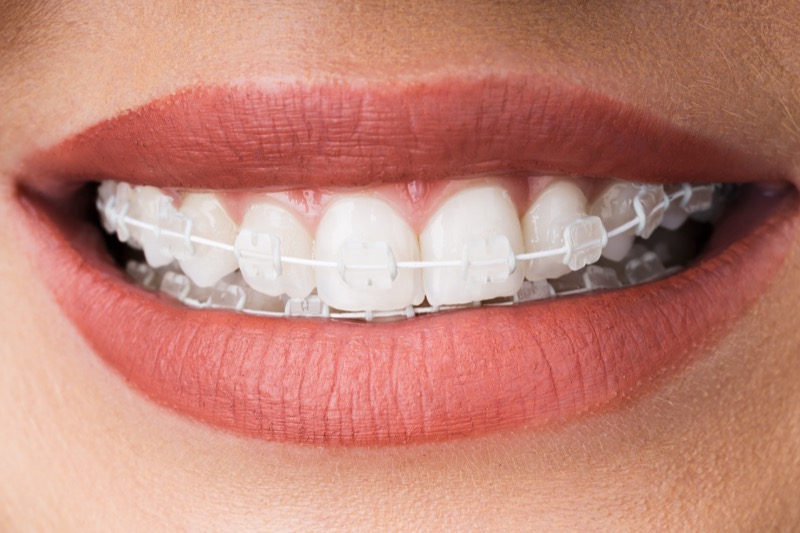
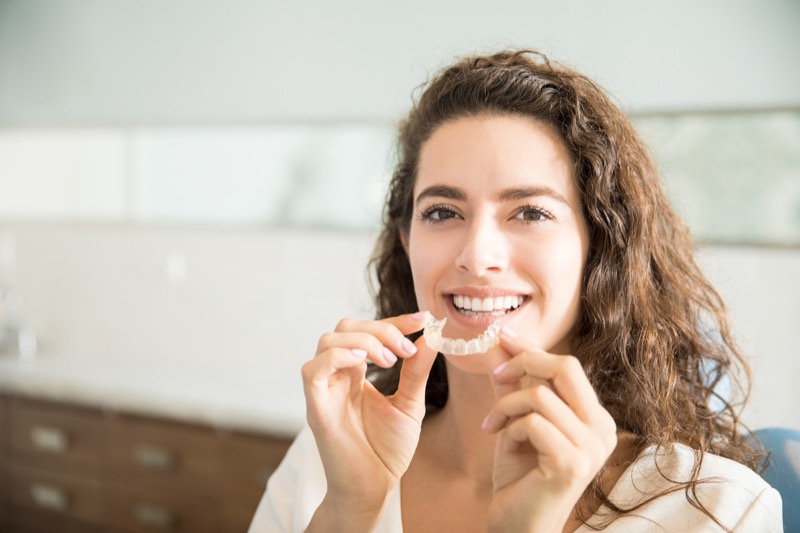
Once the permanent teeth have come through, fixed braces with brackets or clear aligners may also be an option, depending on your child's situation. You will find more information on our orthodontics and aligners pages.
What does treatment involve?
- Examination and consultation: we look at your child's teeth, jaws and bite, and talk with you about whether treatment makes sense, and if so, when.
- Diagnosis: depending on the question at hand, we record your child's teeth either with a digital scanner or with classic impressions, from which models of the jaws are made. For some diagnoses these models are especially helpful, as the position of the teeth and the bite can be assessed directly on them. Where the findings call for it, we also take photographs and X-rays.
- Treatment plan: we draw up a plan tailored to your child and explain the procedure, duration and costs to you.
- Treatment: your child receives their brace, and we show you both how to put it in, look after it and wear it. At regular check-ups, we monitor progress and adjust the brace.
- Keeping the result: once active treatment is complete, a retainer helps to preserve the result.
A few tips for parents
- Keep an eye on wearing time: success depends very much on the brace being worn for long enough. A regular routine – in the afternoon and overnight, for example – helps a great deal.
- Keep the case close at hand: whenever the brace comes out, it should go straight into its case, so that it is not lost or damaged.
- Clean it thoroughly: the brace comes out when your child brushes their teeth and can be cleaned with an ordinary toothbrush and toothpaste. No special products are needed.
- Keep check-up appointments: this is the only way we can adjust the brace in good time and keep track of progress.
Frequently asked questions about orthodontics for children
At what age might my child need a brace?
That depends on the kind of misalignment. A first check is often useful at primary-school age. Some problems are best treated early; with others, it is better to wait until more permanent teeth have come through. We will be happy to advise you on your child's particular situation.
Will the brace hurt?
The treatment is not usually painful. After the brace has been fitted or adjusted, many children feel some pressure on their teeth for a few days. This is quite normal and usually settles quickly.
How many hours a day does the brace need to be worn?
Removable braces should be worn for around 14 hours a day during treatment, and taken out for meals and for sport. We set the exact wearing time individually for each child.
How long does treatment take?
That depends on the misalignment, on your child's growth and on how well they cooperate. Once we have examined your child, we can give you a realistic estimate.
Will our health insurance cover the costs?
For children and teenagers with statutory health insurance, the insurer covers the costs if the misalignment reaches a defined level of severity. You first pay a personal contribution of 20 per cent – or 10 per cent for each additional child if siblings are treated at the same time. Once treatment has been successfully completed, your health insurer refunds this contribution. Any extras beyond what statutory insurance covers are paid for privately. If your child is privately insured, reimbursement depends on the individual policy.
What if the brace breaks or gets lost?
Please do get in touch with us as soon as possible. We will check whether the brace can be repaired or needs to be remade, so that treatment can continue without a long break.
Book a consultation